Report · Technology 2026
Spintronics, photonics, neuromorphic computing, and why AI needs ever more electricity
Microsoft and Constellation Energy are speeding up work to restart Unit 1 at Three Mile Island. Yes, the same island that, on March 28, 1979, became the site of the worst accident in the history of U.S. commercial nuclear power.
Back then, Unit 2 spun out of control. For hours, its operators tried to make sense of the readings on their instruments. They knew something was wrong, but they couldn't see what was happening inside the reactor. By the time they understood the scale of the problem, part of the core had already melted. In the days that followed, more than 140,000 people left the area.
Nearly half a century later, Microsoft wants to draw power from that very place for its servers. It's hard to imagine a better metaphor for our times.
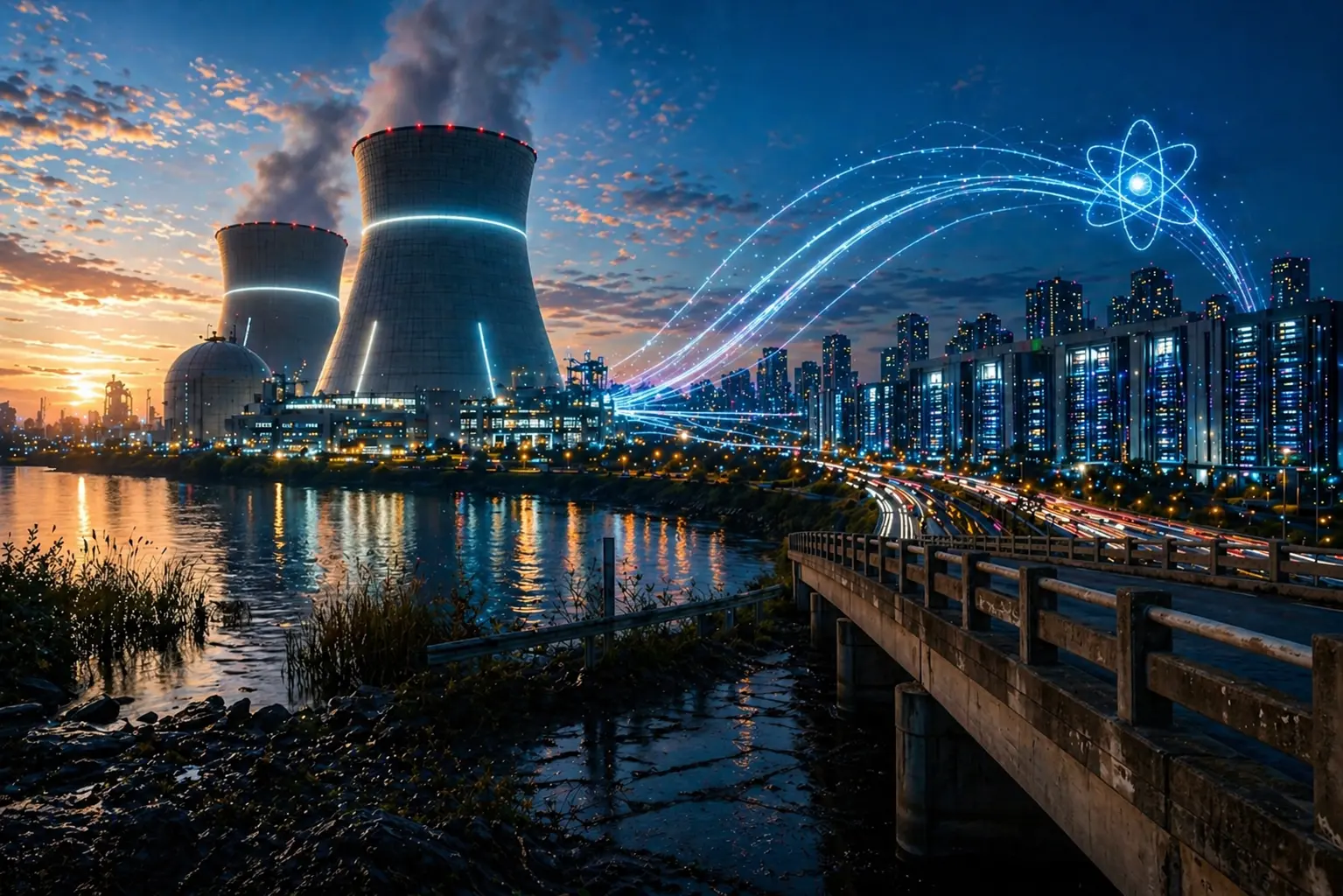
Microsoft, Google and Amazon are pouring billions into nuclear energy. Looks like Big Tech has fallen in love with the atom. And judging by deals signed to last for decades, this is no summer fling.
After all, even the smartest AI isn't much use without electricity.
You ask ChatGPT a quick question about a dinner recipe, throw your vacation pics into the cloud, or fire up another episode on Netflix. For you, it's just a few clicks. Behind the scenes, servers are crunching data, drawing power and generating heat. Round the clock. No coffee breaks. No clocking off at five.
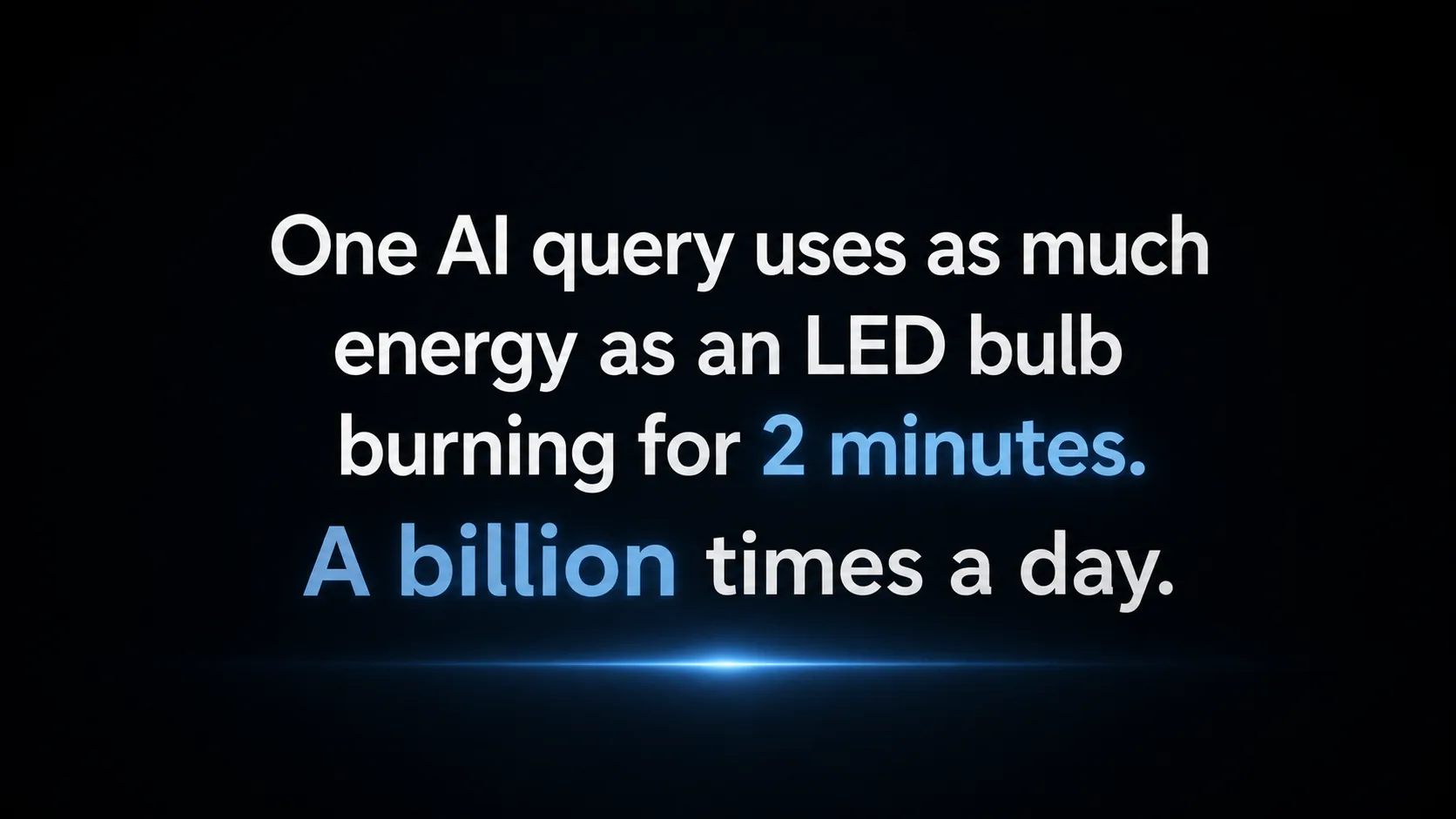
Sure, one query to AI eats up only about 0.34 Wh¹Source: Sam Altman, OpenAI (June 2025): figure stated publicly by the company. Independent estimates (Epoch AI) are consistent with it.. A trifle, about as much as a small LED bulb shining for two minutes. But stack that up across billions of questions a day, throw in the energy needed to train these models, and suddenly those tiny numbers don't look so tiny.
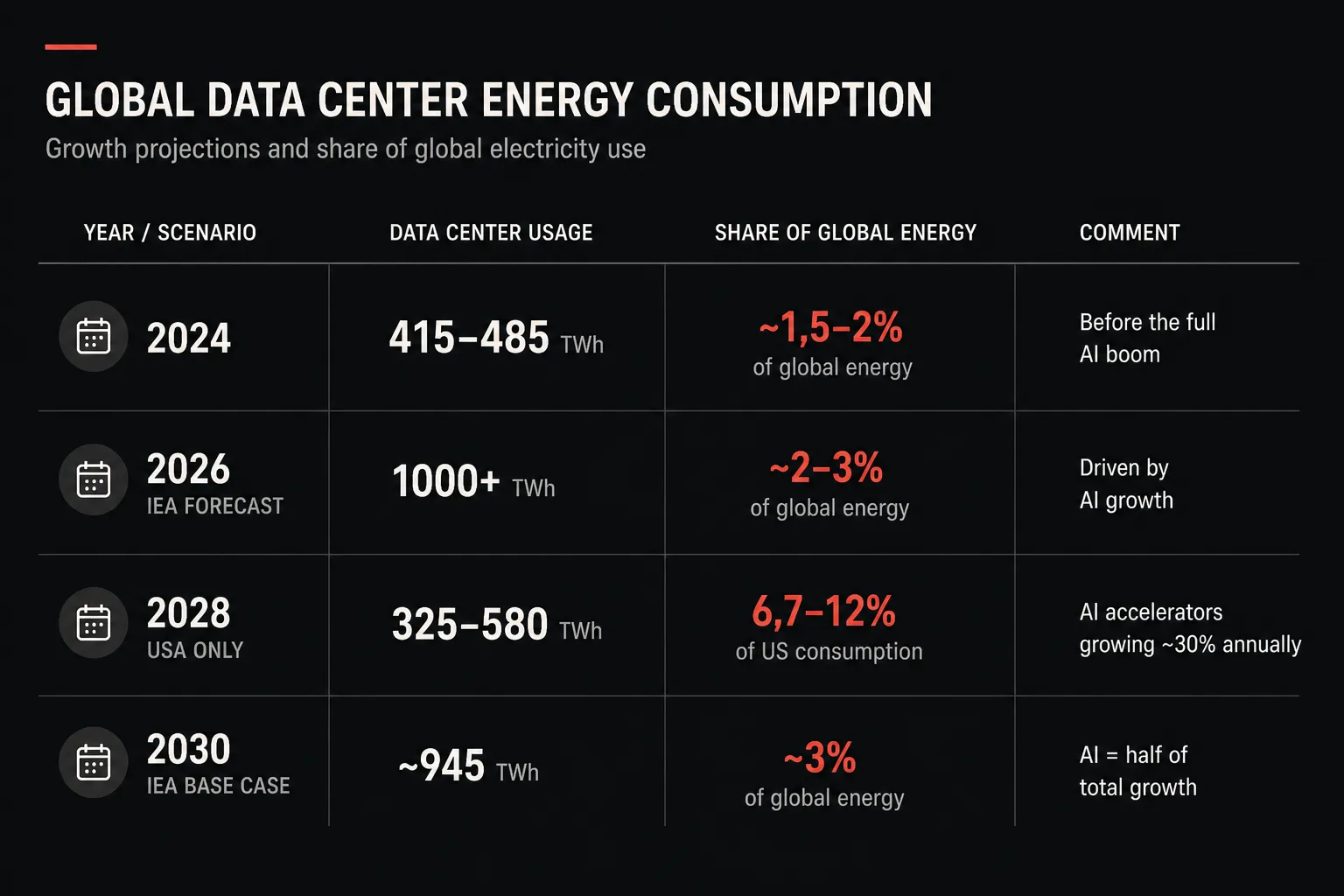
Infographic 1: Explosive growth in AI infrastructure energy demand (IEA forecasts)
Data centers can't just take the night off when the sun goes down or the wind dies. No wonder Big Tech is turning to nuclear power.
WATCH: 3D visualization, the computing technologies of the future
Old reactors were like giant apartment blocks. They took 10–15 years to build, cost billions, and were often completed late and over budget.
SMRs, small modular reactors, are in a different league entirely. Instead of building the whole facility from scratch on-site, you order factory-made modules and assemble them like Lego blocks on a foundation, so construction should take far less time.
In theory, at least. We'll see. Maybe in a few years we'll be assembling nuclear power plants like IKEA furniture. Let's just hope there aren't any screws missing.
Old reactors use water under enormous pressure. Like a pressure cooker on steroids. When the cooling fails, you have a problem, and Fukushima showed how big that problem can get.
Molten salt remains liquid at 600–700°C and does not require high pressure. An open pot instead of a pressure cooker. The system heats up and shuts itself down. It does not produce explosive hydrogen. And in some designs, if temperatures rise too far, the fuel salt drains into a storage tank and the reaction dies automatically. No electricity. No human intervention.
Some of these projects have already moved past the planning stage and are under construction.
Construction has begun in Oak Ridge. The first U.S. salt-cooled reactor designed to deliver electricity to the grid. For Google and the Tennessee Valley Authority.
A giant battery that charges during off-peak hours and releases power when needed.
20-year PPA with Microsoft. Restart cost: $1.6 billion.
And it's not just the U.S. China is building more nuclear reactors than the rest of the world combined. The AI energy race is global. Someone has to keep the lights on.
But delivering electricity is only the first half of the problem. The second half sits exactly where that electricity gets consumed, inside every computer.
The hottest components are GPUs. Chips that once rendered video game graphics and now power every AI model on Earth. Every ChatGPT answer means trillions of calculations running through these chips.
A single GPU contains 80 billion transistors²Source: NVIDIA Technical Blog, Hopper Architecture In-Depth (H100 specification).. They switch on and off billions of times per second. Every switch releases a tiny amount of heat. 80 billion tiny heaters on one chip.
The second source of heat is less obvious. Today's transistors are so small that current leaks through them even when they are switched off. That's why data centers need industrial cooling systems that eat up huge amounts of power. That cooling and power is now big business for the companies supplying infrastructure to AI data centers.
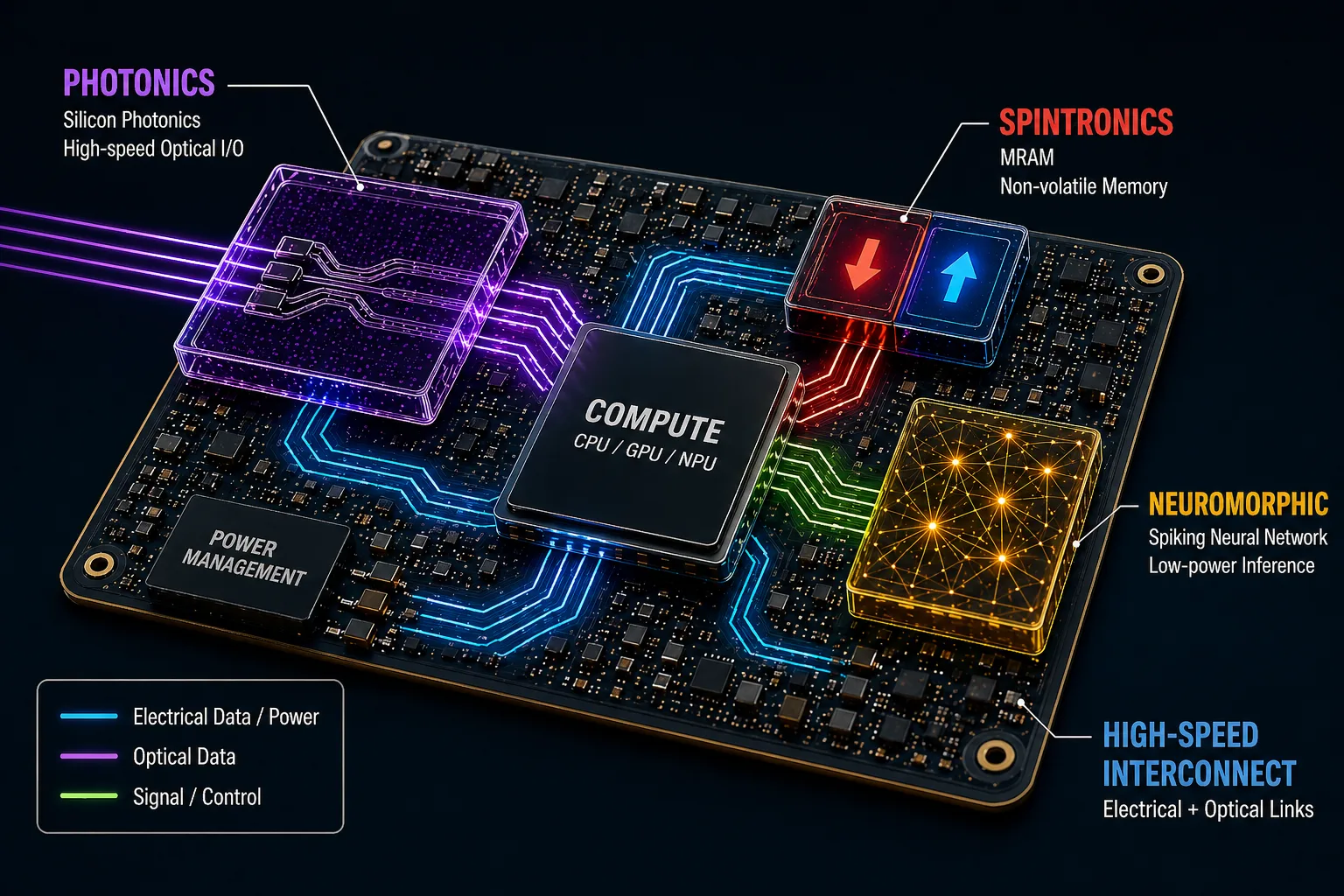
Architecture of the future chip: photonics, spintronics, and neuromorphic computing inside one system.
Imagine a phone that dies today, and six months later in a drawer still remembers everything. You turn it back on months later, and you're exactly where you left off.
Samsung entered the race in 2019. TSMC followed.
The principle is simple. Ordinary memory stores information with electricity: cut the power and it disappears. MRAM stores information magnetically. Once written, it stays. No power. No constant refresh.
That's why the biggest companies have been investing in it for years. In a conventional AI chip, data constantly runs back and forth between memory and processor, and each trip consumes electricity and generates heat. Today, that movement costs more energy than the computation itself. MRAM can be built directly into the processor. The data no longer has to shuttle back and forth. For data centers, every percentage point of electricity saved means millions of dollars per year. And when Samsung starts taking something seriously, the market usually pays attention.
Another branch of the same family is magnonics, information carried not by electrons, but by waves inside magnetic materials. Scientists at the University of Vienna have already sent these waves through channels just 50 nanometers wide.
But a chip is more than memory. It also computes. And computation devours most of the electricity in every AI system.
Your emails, bank transfers and TikTok videos can travel thousands of kilometers through fiber-optic cables, carried by light. All the way to your router. From there, it's back to copper and electricity.
But computers still do most of their calculations using electricity. Inside a processor, billions of transistors switch on and off, consuming power and generating heat. And when the workload gets heavy, you can hear the fans working overtime.
Photonic chips take a different approach. They guide light through tiny structures etched into silicon. As the light waves interact, they can perform mathematical operations, including the multiplications AI relies on so heavily.
That means some calculations could use less electricity and produce less heat.
Lightmatter raised $400 million in October 2024³Source: Lightmatter press release, Series D, October 2024.. Lightelligence and Optalysys are also exploring computing with light, while Celestial AI is working on optical connections between chips.
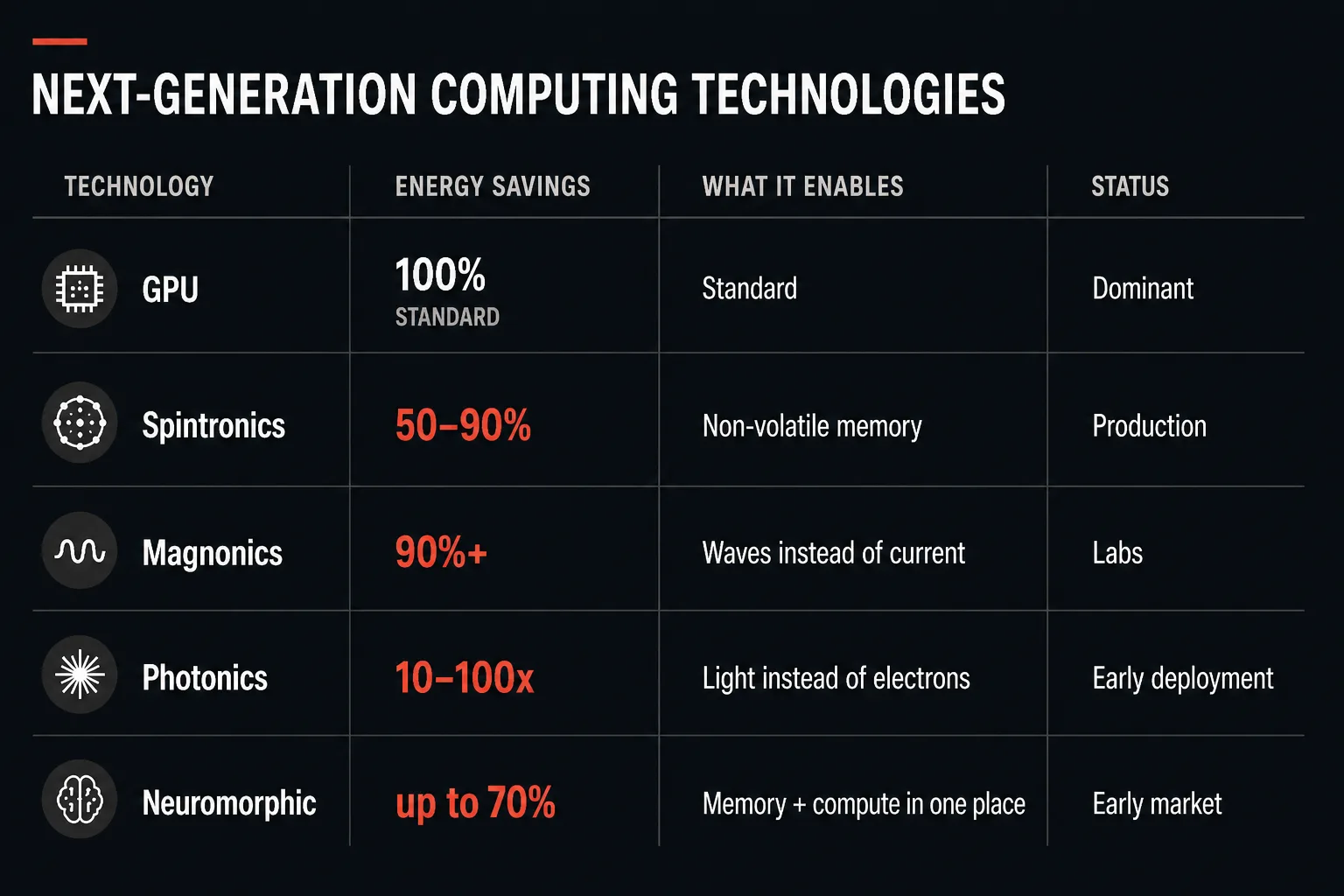
Infographic 2: Energy savings across next-generation computing architectures
But today's chips never truly sleep. What if they could?
Your brain weighs around 1.5 kilograms and consumes roughly 20 watts. About the same as a light bulb. A supercomputer training ChatGPT consumes tens of megawatts, about a million times more. Neuromorphic chips try to bring the brain's principles into silicon.
Intel showed Loihi 2 in 2021. IBM answered with NorthPole two years later. BrainChip has already worked with Ford and Valeo. NASA is testing the technology where failure costs more than money, and that means space.
In a self-driving car, reaction time is measured in milliseconds. A traditional GPU burns a lot of power to keep up. A neuromorphic chip reacts only when something changes, so it needs far less energy. The same principle is used in hearing aids designed to last a week on a single battery.
1865. England. William Stanley Jevons noticed something strange: steam engines became more efficient, but coal consumption didn't fall. It rose. Because suddenly it became profitable to use coal everywhere. Economists later called it the Jevons paradox.⁴Source: W.S. Jevons, The Coal Question (1865), via Yale Energy History archive.
That's exactly what's happening with artificial intelligence right now.
Nuclear power is the fuel for AI's expansion. Every new reactor becomes a license for larger models, more computation, and more queries per second, safely and reliably, for decades to come.
Spintronics, photonics, and neuromorphic chips are moving in the same direction. A chip that is 100 times more efficient doesn't reduce global energy consumption. It pushes AI into places where it doesn't exist today: into hearing aids, refrigerators, light bulbs, even wine corks.
Other: Reuters, CNBC, Business Wire, ISSCC 2026, company press releases (Samsung, Lightmatter, BrainChip, Kairos Power, TerraPower).